
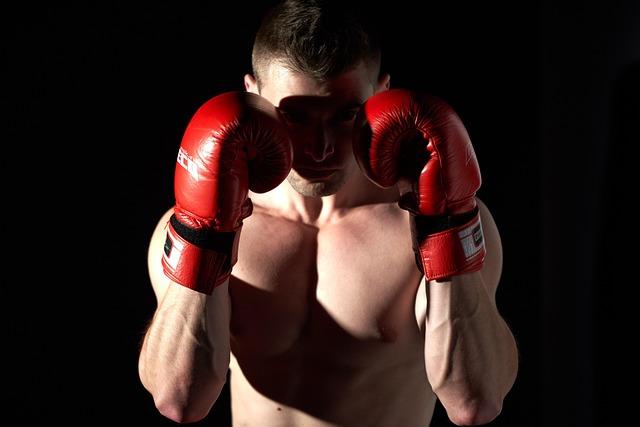
In a harrowing turn of events at last night’s UFC showdown, [Fighter’s Name] suffered a brutal knockout after a savage knee strike left the athlete unconscious in the octagon. The incident has since sparked widespread concern among fans and experts alike, prompting an urgent update on the fighter’s condition. SPORTbible brings you the latest developments on the aftermath of this stunning knockout and what it means for [Fighter’s Name]’s career moving forward.
UFC Fighter Details Medical Condition Following Devastating Knockout
Following the shocking KO, the fighter took to social media to provide fans with a candid update on his health. He revealed that, despite the severity of the knockout, medical evaluations have shown no signs of a concussion or structural damage to the brain. However, he admitted to experiencing lingering headaches and dizziness, symptoms that will require close monitoring over the next few weeks. The fighter emphasized his commitment to proper recovery, stating, “I’m focused on healing and coming back stronger.”
Medical staff have implemented a thorough observation plan to ensure a safe return to training, highlighting several key factors currently under review:
- Neurological assessments – ongoing checks for cognitive function and memory recall.
- Physical rest – strict avoidance of strenuous activity until symptoms subside.
- Regular imaging scans – use of MRI and CT scans to monitor brain health.
| Condition | Status | Next Evaluation |
|---|---|---|
| Concussion | Not Detected | In 1 Week |
| Headaches | Moderate | Daily |
| Dizziness | Mild | Weekly |
Experts Offer Recovery Strategies and Safety Recommendations for Combat Athletes
Following the harrowing knockout, leading sports medicine experts emphasize the importance of a carefully structured recovery plan tailored specifically for combat athletes. Immediate medical evaluation to rule out concussions or other serious injuries is crucial. From there, a phased approach involving rest, controlled physical therapy, and cognitive assessments ensures a safe return to training. Experts warn against rushing back to full contact too soon, advocating instead a gradual increase in workout intensity to prevent setbacks and long-term damage.
Recommended recovery strategies include:
- 24-72 hours of complete rest focusing on minimizing head movement and stimuli
- Neurological monitoring through follow-up consultations with sports neurologists
- Light aerobic exercises only after symptoms fully resolve
- Progressive return to technical drills before engaging in sparring sessions
- Psychological support to address the mental impact of traumatic knockouts
Key safety recommendations for combat athletes post-knockout:
| Safety Measure | Description |
|---|---|
| Mandatory Medical Clearance | Ensures athlete readiness before resuming contact sports. |
| Use of Protective Gear | Enhanced helmets and mouthguards during training sessions. |
| Strict Weight Management | Prevents dehydration and reduces risk during intense bouts. |
| Regular Cognitive Testing | Monitors brain function and detects subtle impairments early. |
| Enforced Rest Periods | Mandatory downtime after knockouts and concussive events. |
The Way Forward
As the UFC community awaits further developments, this latest update from the fighter offers a crucial glimpse into their recovery following the devastating knockout. While the incident serves as a stark reminder of the sport’s inherent dangers, it also highlights the resilience and determination that define mixed martial arts athletes. Fans and fellow fighters alike will be monitoring closely as the athlete continues their path toward healing and, hopefully, a triumphant return to the octagon.