

In a surprising development within the MMA community, rising fighter Lineker has been released from his promotional contract following a failed drug test, MMA Mania reports. The fighter’s positive result has raised concerns over doping in the sport and has prompted immediate action from officials and the organization. This incident adds to the ongoing challenges faced by mixed martial arts in maintaining integrity and athlete safety. Further details on the circumstances surrounding the test and subsequent release are awaited.
Lineker Faces Career Setback Following Positive Drug Test Detailed Analysis of Testing Protocols and Regulatory Oversight in MMA
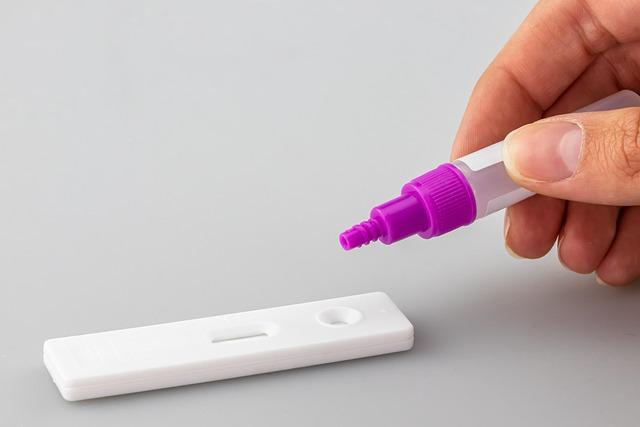
Following his recent positive drug test, Lineker’s career now faces significant uncertainty amid rigorous scrutiny from regulatory bodies. The testing protocols employed by the athletic commissions and organizations in MMA are designed to maintain fair competition but can occasionally result in controversies surrounding procedure transparency and accuracy. In Lineker’s case, samples were collected under the standard World Anti-Doping Agency (WADA) guidelines, which include random blood and urine analysis using gas chromatography-mass spectrometry (GC-MS) to identify banned substances. Despite these robust methods, questions about the timing of sample collection, chain of custody, and potential contamination have sparked debate among experts and fans alike.
Regulatory oversight in MMA often involves multiple layers of governance, including local athletic commissions, the United States Anti-Doping Agency (USADA), and promotion-specific policies. Below is a simplified overview of the testing and adjudication process that led to Lineker’s suspension:
| Step | Description | Authority |
|---|---|---|
| Sample Collection | Random and post-fight testing using blood and urine | USADA / Athletic Commission |
| Laboratory Analysis | Testing for prohibited substances via WADA accredited labs | Independent Lab |
| Result Notification | Notification of adverse findings to athlete and commission | USADA / Commission |
| Hearing & Appeal | Opportunity for athlete to contest findings | Commission Tribunal |
| Sanction | Suspension, fines, and possible fight result overturn | Commission / Promotion |
This structured process aims to ensure fairness but also underscores the delicate balance between strict regulatory enforcement and the athlete’s right to due process. Lineker’s team has reportedly lodged an appeal, emphasizing inconsistences and requesting full disclosure of testing protocols. As the MMA community waits for further developments, this case highlights ongoing challenges in doping regulation in combat sports and the critical role of transparent oversight.
- Strict adherence to WADA guidelines remains the
- Strict adherence to WADA guidelines remains the cornerstone of maintaining integrity in MMA drug testing.
- Transparency in the testing process is essential to uphold athlete trust and public confidence.
- Robust chain of custody procedures help prevent contamination and procedural errors.
- Multiple oversight layers provide checks and balances but can also complicate adjudication timelines.
- Due process rights ensure athletes can challenge findings and maintain fair treatment.
- Continuous review and improvement of testing technologies and protocols are necessary to address emerging challenges.
In Conclusion
As the investigation continues, the MMA community awaits further details surrounding Lineker’s failed drug test and its implications for his career. Updates will be provided as more information becomes available, highlighting the ongoing efforts to maintain integrity within the sport.
- Advertisement -