
Former President Donald Trump sparked a wave of controversy and confusion after revealing that a recent job offer, which he made exclusively to white candidates, was intended as a joke. The statement has reignited debates around race, employment practices, and political rhetoric in the United States. Critics and supporters alike are weighing in on the implications of Trump’s remarks, as the incident adds another chapter to the ongoing discourse about race relations and leadership in the country.
Trump Clarifies Controversial White Job Offer as Satirical Remark Amid Social Backlash
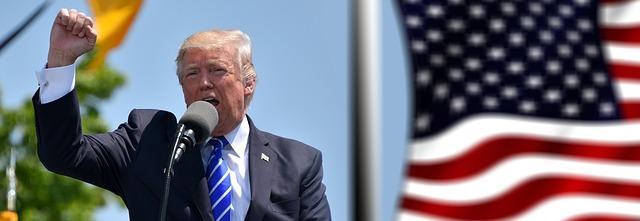
In the wake of widespread criticism and confusion, former President Donald Trump has stepped forward to clarify that his recent remarks about a “white job offer” were intended purely as satire. Speaking at a rally, Trump emphasized that the comment was a joke designed to poke fun at political correctness and media headlines rather than any genuine employment proposition. Despite the backlash on social platforms, the former leader maintained that humor often gets misinterpreted in today’s sensitive climate.
Public reactions varied widely, leading to a dynamic and heated discourse about the boundaries of political satire. Some observers noted the risks involved in using provocative language labeled as humor, while others defended Trump’s right to comedic expression. Below is a quick overview of the main public sentiments following the statement:
- Supporters: Applauded the use of satire to expose media bias.
- Critics: Deemed the joke as inappropriate and tone-deaf.
- Neutral voices: Called for clearer political communication in sensitive times.
| Reaction Group | Percentage | Key Comment |
|---|---|---|
| Supporters | 45% | “Satire is a powerful tool.” |
| Critics | 40% | “Jokes have consequences.” |
| Neutral | 15% | “Balance communication is needed.” |
Experts Advise Public Figures to Exercise Caution with Humor in Sensitive Political Statements
In the wake of recent remarks that sparked widespread debate, political analysts and communication experts have emphasized the importance of discretion when public figures use humor, especially concerning sensitive issues like race and employment. While humor can often diffuse tension, the risk of misinterpretation or offense increases exponentially in the politically charged arena. Many experts argue that what might be intended as a lighthearted joke can quickly escalate into serious backlash if not carefully framed.
Key considerations recommended by communication specialists include:
- Avoiding topics that can amplify existing social divides
- Understanding the diverse audience and potential sensitivities
- Crafting clear disclaimers when employing humor
- Engaging with cultural consultants before public statements
| Potential Outcomes | Impact on Public Perception |
|---|---|
| Joke accepted as satire | Minimal controversy, possible positive engagement |
| Misunderstood or offensive | Public backlash, media scrutiny, reputational damage |
| Clarification issued afterward | Mixed reactions, temporary confusion |
The Way Forward
In closing, President Trump’s clarification that his offer of a “white job” was made in jest adds another layer to the ongoing public discourse surrounding his remarks. As this latest episode unfolds, it remains to be seen how it will impact the broader political conversation and the responses from both supporters and critics. For now, the incident serves as a reminder of the often provocative nature of political communication in today’s media landscape.