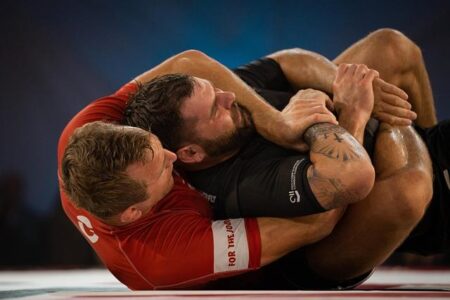



Ilia Topuria recently revealed that his orbital fractures were alarmingly close to ending his fighting career, with doctors confirming the injuries were just “half a millimeter” away from causing permanent damage. The rising MMA star’s resilience and determination have been put to the test following a severe facial injury that threatened not only his participation in the sport but his long-term health. This close call sheds light on the risks elite fighters face inside the cage and the thin margin between recovery and retirement.
Ilia Topuria Reveals Near Career Ending Orbital Fractures and the Impact on His Fighting Style
Ilia Topuria recently opened up about the severity of his orbital fractures, disclosing that the injuries were alarmingly close to being career-ending. According to the rising UFC contender, the fractures were only half a millimeter away from causing permanent damage to his vision and facial structure. This revelation highlights the razor-thin margin fighters operate within during high-stakes bouts. Despite undergoing intensive medical treatment and rehabilitation, Topuria was adamant about returning to the cage, understanding the risk but determined not to let the injury dictate the trajectory of his career.
The impact of these fractures transcended physical pain, forcing Topuria to adapt his fighting style for longevity and safety. He credits his corner and medical team for tailoring strategies that emphasize defensive awareness without sacrificing his aggressive approach. Some notable adjustments include:
- Enhanced head movement to avoid direct strikes to the orbital region
- Increased focus on counter-striking rather than constant forward pressure
- Implementation of quicker clinch work to control opponents and limit exchange damage
| Aspect | Pre-Injury Style | Post-Injury Adaptation |
|---|---|---|
| Striking | Relentless pressure | Calculated and selective |
| Defense | Minimal head movement | Increased evasiveness |
| Clinching | Occasional use | Frequent control technique |
Experts Outline Critical Recovery Strategies and Preventative Measures for Orbital Injuries in MMA Athletes
Leading sports medicine experts emphasize that immediate and precise intervention is essential to prevent long-term damage from orbital injuries in MMA athletes, which are notoriously prone to such traumatic impacts. Recovery strategies prioritize minimizing swelling, preventing infection, and ensuring ocular mobility is not compromised. Techniques such as cold compress application, corticosteroid administration, and timely surgical intervention can significantly influence the prognosis. Experts advise that athletes undergo comprehensive imaging assessments, including CT scans, to fully understand the extent of fractures, enabling personalized treatment plans that focus on preserving vision and structural integrity.
Preventative measures have gained momentum, advocating for enhanced protective gear and stricter enforcement of fight regulations to reduce orbital trauma. Training modifications include coaching on defensive techniques and avoiding high-risk strikes to vulnerable areas. Below is a concise overview of recommended approaches:
| Recovery Strategy | Purpose | Timeframe |
|---|---|---|
| Cold Compress | Reduce swelling | First 48 hours post-injury |
| Corticosteroids | Limit inflammation | First week |
| CT Scan | Assess fracture severity | Immediately after injury |
| Surgical Repair | Restore orbital structure | Within 2 weeks if necessary |
| Protective Headgear | Prevent reinjury | During training sessions |
The Conclusion
Ilia Topuria’s close call with potentially career-ending orbital fractures underscores the inherent risks MMA fighters face every time they step into the cage. With the injury narrowly missing catastrophic damage by just half a millimeter, Topuria’s resilience and determination will now be tested not only in recovery but in his journey back to the octagon. As fans and analysts await updates on his condition, this incident serves as a stark reminder of the fine line between triumph and tragedy in mixed martial arts.