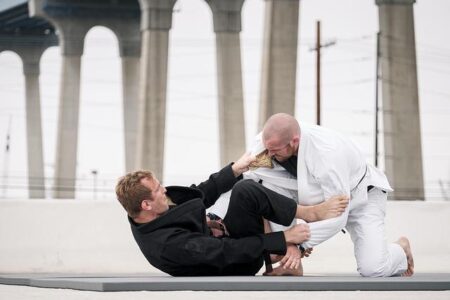



On this date in MMA history, former bantamweight champion Ronda Rousey secured another memorable submission victory over longtime rival Miesha Tate. The bout, featured prominently in the annals of women’s mixed martial arts, highlighted Rousey’s dominance and technical prowess inside the Octagon. As MMA Junkie revisits this landmark moment, fans are reminded of the intense rivalry and significant impact both fighters had on the sport’s evolution.
Ronda Rouseys Second Victory Over Miesha Tate Marks a Defining Moment in MMA Rivalry
In a clash that solidified her status as one of the sport’s elite, Ronda Rousey once again proved why she was the reigning queen of women’s MMA by submitting Miesha Tate in a pivotal rematch. The encounter showcased Rousey’s unparalleled judo expertise and relentless submission game, ending with a third-round armbar that left no doubt about her dominance. This victory not only extended her winning streak but also elevated the intensity of one of the most compelling rivalries in the history of mixed martial arts.
Key moments from the bout included:
- Technical mastery: Rousey’s seamless transitions and grappling control were on full display.
- Endurance test: Tate demonstrated tremendous resilience, lasting longer than in their previous meeting.
- Strategic adjustments: Both fighters showed evolved game plans, highlighting their growth since their last fight.
| Statistic | Ronda Rousey | Miesha Tate |
|---|---|---|
| Submission Attempts | 4 | 1 |
| Control Time (mins) | 12 | 5 |
| Significant Strikes Landed | 35 | 22 |
| Fight Duration | Round 3, 3:35 | |
Analyzing the Fight Techniques That Led to Rouseys Submission and What Fighters Can Learn
Ronda Rousey’s ability to secure submission victories stems from her unparalleled mastery of judo and Brazilian jiu-jitsu fundamentals, seamlessly integrated into her MMA arsenal. Key to her success in this bout was the swift execution of the armbar, a technique that capitalized on both her opponent’s forward pressure and positioning errors. By quickly closing the distance and utilizing leverage rather than brute strength, Rousey forced Miesha Tate into a compromised posture, isolating her arm with laser precision. This combination of timing, angle, and grip secured a submission that seemed inevitable from the moment the fight entered the ground exchanges.
- Grip Control: Rousey’s dominant wrist and elbow control limited Tate’s defensive options.
- Transition Speed: Fluid movement from clinch to ground position prevented any counterattack.
- Body Positioning: Maintaining tight hips and a perpendicular angle created the perfect setup for the armbar.
For fighters aiming to emulate Rousey’s submission prowess, the lesson lies in the subtle balance between aggression and technique. Instead of relying on overpowering strength, mastering body mechanics and positioning yields higher success rates against seasoned opponents. Developing an instinctive reaction to opponent missteps, combined with relentless positional awareness, allows one to capitalize on fleeting vulnerabilities. In practical terms, polishing transitions and drills that enhance grip endurance and hip mobility can dramatically improve a fighter’s submission game.
| Technique Element | Rousey’s Execution | Lesson for Fighters |
|---|---|---|
| Closing Distance | Quick, decisive clinch entry | Master clinch entries under pressure |
| Positional Control | Maintained top control with pressure | Focus on dominant positioning drills |
| Submission Setup | Isolated arm with precise leverage | Refine submission setups through repetition |
Insights and Conclusions
As history has shown, Ronda Rousey’s dominance over Miesha Tate remains a defining chapter in women’s mixed martial arts. Their rivalry not only showcased the evolution of the sport but also cemented Rousey’s legacy as a trailblazer in the UFC. Reflecting on this date reminds fans of the pivotal moments that helped shape today’s MMA landscape and the enduring impact both athletes have had on the sport.