

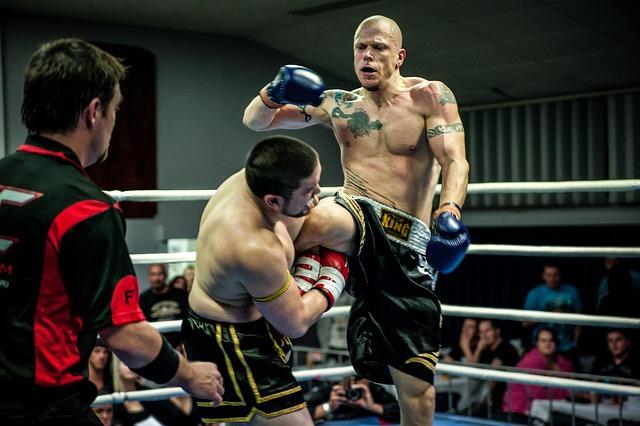
Mixed martial arts (MMA) has surged in global popularity, evolving into one of the most dynamic and widely followed combat sports of the 21st century. At the forefront of this intense athletic spectacle is the Ultimate Fighting Championship (UFC), the premier organization driving MMA’s rapid expansion and mainstream appeal. Combining diverse fighting styles-from Brazilian jiu-jitsu and wrestling to boxing and Muay Thai-MMA challenges fighters to master a broad arsenal of techniques within a fiercely competitive arena. This article explores the origins, styles, and strategies that define MMA, alongside key facts and milestones that have shaped its rise, offering a comprehensive overview of the sport as detailed by Britannica.
Evolution of Fighting Styles in MMA and Their Impact on UFC Competitions
The journey of MMA fighting styles has been marked by a dynamic fusion of disciplines, with early UFC events spotlighting pure specialists such as Brazilian Jiu-Jitsu practitioners and wrestlers. Over time, fighters realized the need for versatility, integrating striking arts like Muay Thai and Boxing with grappling skills to dominate all dimensions of combat. This evolution has driven competitors to become more well-rounded, pushing the boundaries of training methodologies and fight strategy. Modern UFC athletes typically cross-train, blending explosive striking, clinch control, takedown defense, and submission mastery, which has elevated fight quality and unpredictability inside the Octagon.
The impact on UFC competitions is profound: bouts are no longer dictated by a single style but by fluid adaptability and tactical innovation. Fighters now deploy combinations from multiple disciplines in seamless sequences, often tailoring their approach specifically to opponents’ weaknesses. Key trends include:
- Hybrid striking techniques mixing boxing footwork with kickboxing range control
- Enhanced wrestling defense enabling striking-focused athletes to keep battles standing
- Submission awareness becoming essential even for stand-up specialists
This cross-pollination has resulted in more competitive matchups and memorable finishes, with the sport’s landscape constantly reshaped by emerging style integrations.
| Era | Dominant Style | Key Evolution | Influence on UFC | ||||||||||||||||||||||||||||||||||||||
|---|---|---|---|---|---|---|---|---|---|---|---|---|---|---|---|---|---|---|---|---|---|---|---|---|---|---|---|---|---|---|---|---|---|---|---|---|---|---|---|---|---|
| 1990s | Brazilian Jiu-Jitsu | Ground submission focus | Initial UFC dominance | ||||||||||||||||||||||||||||||||||||||
| 2000s | Wrestling & Muay Thai | Balance of takedown control & striking | More well-rounded fighters | ||||||||||||||||||||||||||||||||||||||
| 2010s | Mixed Hybrid Styles | Comprehensive cross-training | Versatility and fight IQ raised | ||||||||||||||||||||||||||||||||||||||
| 2020s | Data-driven & Tactical | Technology and analytics integration | Precision gameplans & adaptability
If you want, I can also help you with additional styling or further content summarization. Let me know! Expert Techniques and Training Tips to Master MMA and Boxing FundamentalsMastering the fundamentals of MMA and boxing requires a disciplined combination of technique refinement, physical conditioning, and mental focus. Fighters emphasize footwork drills and shadowboxing to develop agility and precision. Incorporating bag work and mitt sessions allows athletes to sharpen striking power and timing. Coaches often recommend consistent sparring to translate static techniques into dynamic combat scenarios, ensuring adaptability against diverse fighting styles. Emphasis is also placed on breathing control and stance adjustment-critical elements that sustain energy and maximize defensive capabilities during intense bouts. Effective training regimens blend traditional drills with modern sport science. Nutrition, recovery protocols, and cross-training in disciplines such as Brazilian Jiu-Jitsu and Muay Thai are integrated to create versatile fighters. The table below summarizes key training components and their primary benefits:
Insights and ConclusionsAs mixed martial arts continue to evolve, the UFC remains at the forefront of this dynamic sport, showcasing a diverse range of fighting styles and techniques that captivate audiences worldwide. From its roots in traditional disciplines like boxing and wrestling to the innovative strategies seen in today’s fighters, MMA represents both athleticism and adaptability. For fans and newcomers alike, understanding the history, techniques, and facts behind the sport provides deeper appreciation of its complexity and appeal. As the landscape of MMA grows, staying informed through reliable sources like Britannica will remain essential for following the pulse of this ever-changing combat arena. - Advertisement -  Ethan Riley A rising star in the world of political journalism, known for his insightful analysis. Related Posts      Add A Comment |