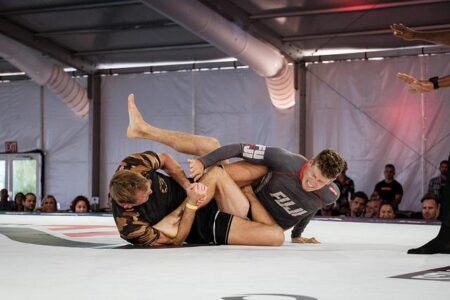


Nathaniel Wood’s recent experience with UFC’s medical protocols has sparked considerable discussion within the mixed martial arts community. In this article, MMA Sucka delves into the specifics of Wood’s treatment, examining the circumstances surrounding his injury management and the broader implications for fighter safety in the organization. By breaking down the timeline and the UFC’s medical response, we aim to provide a clear and comprehensive understanding of the challenges faced by fighters like Wood in one of the world’s most demanding combat sports.
Nathaniel Wood’s UFC Journey Analyzed in Depth
Nathaniel Wood’s trajectory within the UFC represents a compelling study of both opportunity and adversity. Since joining the roster, Wood has showcased a skill set that combines high-level striking, agility, and tactical versatility. Yet, despite his evident talents and multiple highlight-reel finishes, his treatment by the UFC in terms of matchmaking and promotional push has sparked debate among fans and analysts alike. Critics argue that Wood has often been positioned against opponents whose styles don’t fully capitalize on his strengths, leading to mixed outcomes that might not reflect his true potential as a featherweight contender.
Examining the patterns behind his bouts reveals a few key factors contributing to this perception:
- Irregular fight scheduling: Long layoffs and inconsistent fight dates have disrupted his momentum.
- Matchmaking decisions: Frequent bouts against seasoned grapplers instead of striking matchups may limit his ability to shine.
- Promotional visibility: Compared to peers, Wood’s market exposure remains relatively subdued, influencing fan engagement.
| Year | Fights | Wins | Losses | Notable Opponents |
|---|---|---|---|---|
| 2018 | 2 | 2 | 0 | Johnny Eduardo, Iuri Alcantara |
| 2019 | 2 | 1 | 1 | Jimmie Rivera, José Aldo |
| 2020 | 2 | 1 | 1 | Andre Ewell, John Dodson |
| 2021 | 1 | 1 | 0 | Dominick Cruz |
Expert Recommendations for Improving Treatment of Fighters in MMA
Leading voices in the MMA community consistently emphasize the urgent need for enhanced medical protocols and fighter welfare policies. Experts advocate for comprehensive pre-fight health screenings that go beyond basic physical exams to include neurological assessments, ensuring athletes are truly fit to compete. Additionally, there’s a call for standardized post-fight evaluations designed to detect injuries early and reduce the risks of long-term damage.
Beyond medical considerations, specialists underline the importance of fighter education and mental health support. Implementing mandatory workshops on injury prevention, recovery nutrition, and psychological resilience could revolutionize how fighters prepare and recover. The integration of these measures is seen as pivotal to safeguarding careers and increasing longevity in what is inherently a high-risk sport.
- Pre-fight neurological scans to detect unseen issues
- Standardized post-fight medical checkups across all commissions
- Mandatory mental health counseling for all UFC fighters
- Education on injury management and safe recovery practices
| Recommendation | Expected Outcome |
|---|---|
| Neurological Pre-Screening | Reduce risk of undiagnosed brain trauma |
| Post-Fight Medical Standardization | Prompt injury detection and treatment |
| Mental Health Support | Improved emotional resilience |
| Fighter Education Programs | Better injury prevention and recovery outcomes |
In Conclusion
In summary, Nathaniel Wood’s treatment within the UFC framework sheds light on the complexities fighters often face behind the scenes. As the promotion continues to evolve, so too does the dialogue around athlete management, contractual fairness, and career progression. Understanding Wood’s experience not only provides insight into one fighter’s journey but also raises broader questions about the structures governing mixed martial arts today. MMA Sucka will continue to monitor these developments closely, delivering comprehensive coverage as the story unfolds.