

The Professional Fighters League (PFL) returned to Charlotte with a much-anticipated showdown, as rising contender Battler stepped into the cage against former champion Rosta. The latest installment of PFL Charlotte delivered intense action and pivotal outcomes that are already reshaping the Lightweight division landscape. This article breaks down the key moments, fight results, and implications following the electrifying matchup between Battle and Rosta at MMA Fighting.
PFL Charlotte Results Reveal Key Moments That Shaped the Battle Between Battle and Rosta
Throughout the intense showdown, Battle demonstrated his striking prowess early on, landing precise combinations that tested Rosta’s defense. A pivotal moment came in the second round when Battle executed a lightning-fast takedown, shifting momentum and forcing Rosta into a defensive posture. Despite this, Rosta showcased resilience, using calculated counter-strikes and clinch work to regain footing. Both fighters exchanged significant blows, with Battle’s volume attacks contrasting against Rosta’s strategic timing, keeping spectators on edge throughout the contest.
Key moments that shaped the match included:
- Round 1: Battle’s aggressive start with leg kicks that limited Rosta’s mobility
- Round 2: Battle securing a takedown and controlling top position
- Round 3: Rosta’s counter punches turning the tide in the late stages
| Round | Significant Event | Impact |
|---|---|---|
| 1 | Battle’s leg kicks | Reduced Rosta’s movement |
| 2 | Battle’s takedown | Controlled the round tempo |
| 3 | Rosta’s counters | Close the points gap |
Analysis of Fighter Strategies Highlights Areas for Improvement and Future Training Focus
Both Battle and Rosta exhibited distinct tactical approaches that shaped the flow of their encounter at the PFL Charlotte event. Battle’s reliance on explosive striking underscored his aggressive game plan but also exposed him to counterattacks, revealing a critical gap in defensive footwork and timing. Meanwhile, Rosta demonstrated resilience through calculated clinch work and ground control, yet his striking output lacked consistent pressure, providing Battle with openings to capitalize. Analysts noted that enhanced defensive reflexes and improved transitional movement between ranges could substantially benefit both fighters in future matchups.
Looking ahead, targeted training interventions will be essential for optimizing fight readiness. Both camps should emphasize:
- Dynamic sparring drills to simulate varying fight rhythms and intensify adaptability under pressure.
- Strength and conditioning regimens that improve explosive power without sacrificing endurance.
- Technical refinement in grappling escapes and striking defense to shore up vulnerabilities noted during the bout.
| Area | Battle | Rosta |
|---|---|---|
| Striking Defense | Needs improvement | Moderate |
| Grappling Control | Average | Strong |
| Endurance | High | Moderate |
| Tactical Adaptation | Inconsistent | Tactical Analysis Summary – Battle vs. Rosta at PFL Charlotte
Recommendations for Improvement
Table Completion (Assuming Tactical Adaptation for Rosta)| Area | Battle | Rosta | Assuming Rosta demonstrated steady tactical adaptation given his calculated clinch work and ground control. If you would like, I can help generate a full formatted report or further analysis based on this data. Concluding RemarksThe PFL Charlotte event delivered an intense showdown as Robson “Rob” Rosta emerged victorious, reaffirming his position among the top contenders in the league. With impressive performances across the card, the night showcased the depth of talent and competitive spirit that defines the Professional Fighters League. Fans can now look forward to the next round of matchups as fighters continue their quest for the championship and the lucrative million-dollar prize. Stay tuned for more updates and detailed analysis from PFL’s evolving season. - Advertisement -

Samuel Brown
A sports reporter with a passion for the game. Related Posts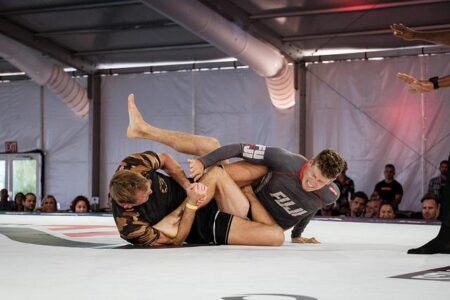





Add A Comment
|