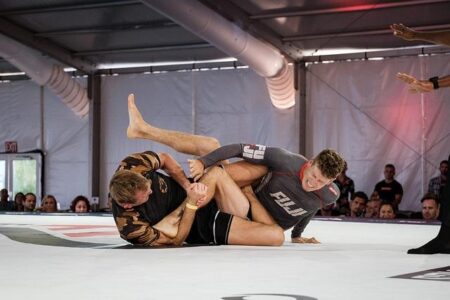



Chicago – As women’s mixed martial arts continues to evolve, distinct narratives about the sport’s female competitors are emerging. Shannon Clark, a standout fighter and rising star in the Professional Fighters League (PFL), recently shared her perspective on the dynamics shaping women’s MMA. In an exclusive interview, Clark identified two predominant types of women athletes in the sport, shedding light on their differing approaches, challenges, and motivations inside the cage. Her insights offer a rare glimpse into the complexities and diversity driving the growth of women’s MMA today.
Understanding the Distinct Challenges Faced by Women Fighters in MMA, According to PFL Chicago’s Shannon Clark
Shannon Clark, a notable figure at PFL Chicago, sheds light on the unique hurdles women in MMA encounter, emphasizing the dichotomy between two key groups of female fighters. According to Clark, the first group consists of women who pursue MMA with the primary goal of breaking stereotypes and proving their strength in a traditionally male-dominated sport. These fighters not only face the rigorous physical demands of training and competition but also wrestle with societal expectations and implicit biases. They often become role models overnight, balancing the pressure of performance with the responsibility of representation.
On the other hand, Clark identifies the second type of women in the cage as those driven purely by passion and personal ambition, uninterested in external narratives around gender roles. These fighters face distinct challenges, such as limited sponsorships, less media coverage, and fewer opportunities for high-profile bouts compared to their male counterparts. Clark notes several factors where these struggles become apparent:
- Access to elite training facilities can be inconsistent.
- Pay disparity between men and women remains a pressing concern.
- Lack of weight classes often forces fighters into challenging matchups.
- Media framing tends to focus more on appearance than skill.
| Challenge | Impact |
|---|---|
| Pay Disparity | Less financial stability for women fighters |
| Media Coverage | Skews public perception and marketability |
| Weight Class Availability | Limits competitive opportunities |
| Training Resources | Unequal access to quality coaching |
Strategies for Aspiring Female Fighters to Navigate and Excel in the Male-Dominated MMA Landscape
Shannon Clark emphasizes the importance of mental resilience and adaptability for female fighters aiming to thrive in MMA’s traditionally male-centric environment. She identifies two archetypes of women in the sport: those who embrace their unique femininity and use it as a source of confidence, and those who adopt a more aggressive, traditionally “masculine” approach to training and competition. Clark believes that success lies not in conforming to a single mold but in forging a personal path that honors individual strengths. She suggests aspiring fighters develop a strong support network, including mentors and training partners who respect and elevate their skills without imposing gendered expectations.
Practical strategies also include honing technical versatility and leveraging strategic fight IQ to outthink opponents rather than just overpower them. Clark encourages women to excel in disciplines often overlooked in MMA, such as wrestling and jiu-jitsu, which can provide a competitive edge against physically stronger adversaries. Below is a quick breakdown of key focus areas for female fighters seeking longevity and impact:
| Focus Area | Key Benefit |
|---|---|
| Technical Skill Diversity | Adaptability across fight scenarios |
| Psychological Preparedness | Maintaining composure under pressure |
| Strong Support System | Emotional and strategic guidance |
| Confidence in Identity | Enhanced mental toughness |
Key Takeaways
As the PFL Chicago event continues to shine a spotlight on up-and-coming talent, Shannon Clark’s insights into the diverse experiences of women in MMA provide a compelling perspective on the sport’s evolving landscape. Her distinctions between the two types of female fighters underscore the challenges and opportunities that define women’s mixed martial arts today. As the conversation around gender and competition grows, voices like Clark’s remain essential in shaping the future of MMA both inside and outside the cage.