


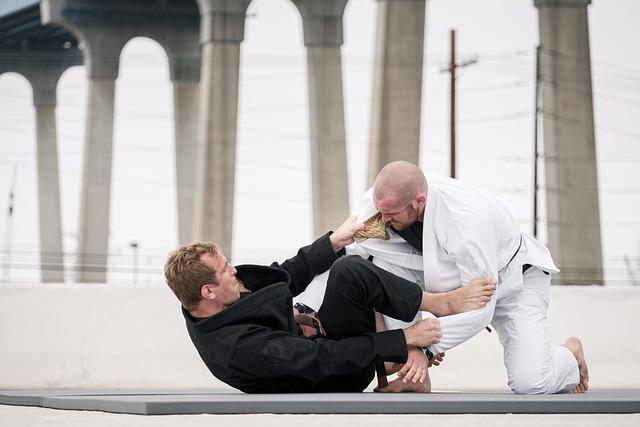
Ronda Rousey is a name synonymous with dominance and resilience in the world of mixed martial arts. As one of the sport’s most iconic figures, her journey through multiple high-profile fights has not only shaped her legacy but also transformed women’s MMA as a whole. This article takes a closer look at Rousey’s career in the octagon – from her meteoric rise to championship glory, to the setbacks and comebacks that have defined her as a true MVP in the sport.
Ronda Rouseys Strategic Evolution in MMA Dominance
Rousey’s ascent within the MMA world was marked not only by her physical prowess but also by a marked evolution in her tactical approach. Initially relying heavily on her signature armbar submissions and aggressive clinch game, she quickly expanded her skill set to counter the increasingly versatile opponents she faced. This strategic shift included enhanced striking accuracy, improved footwork, and a measured pace that allowed her to control the octagon effectively. By blending her judo background with striking disciplines, she established a multifaceted offensive framework that kept adversaries on constant defense.
Her adaptability is best illustrated through key adjustments made during pivotal fights. Consider the way she neutralized counter-strikers by integrating feints and calculated movement, which disrupted opponents’ timing and exploited openings. Below is a breakdown of some core strategic elements that contributed to her dominance:
- Mastery of the clinch: Rousey leveraged her judo expertise to dictate grappling exchanges.
- Dynamic striking approach: Developed to complement her groundwork and create striking-to-takedown transitions.
- Pre-fight study: Intensive analysis of opponents’ weaknesses fueled adaptive game plans.
- Conditioning and pace control: Ensured sustained pressure while conserving energy for late-round finishes.
| Fight | Strategic Highlight | Outcome |
|---|---|---|
| vs. Cat Zingano | Early aggressive takedown to ground & pound | Win by TKO (0:14) |
| vs. Holly Holm | Striking defense struggles exposed new challenge | Loss by KO (2:59) |
| vs. Amanda Nunes | Attempted composure and clinch but challenged | Loss by TKO (0:48) |
Breaking Down Key Matches and What Fighters Can Learn from Her Approach
Ronda Rousey’s fighting style is a case study in precision and aggressive control. Her match against Miesha Tate at UFC 168, for example, showcased her ability to capitalize on opponent mistakes with lightning-fast armbars. What stands out most is Rousey’s mental game-keeping relentless pressure while reading her adversaries’ subtle shifts in posture and balance. This match, alongside her iconic bout with Bethe Correia where she delivered a record-breaking 34-second knockout, highlights the importance of finishing fights decisively without overcommitting to risky exchanges.
Fighters looking to learn from Rousey’s repertoire should focus on the following key elements:
- Mastery of judo-based takedowns: Seamlessly transitioning from striking to clinch control.
- Explosive submission setups: Timing armbars to catch opponents off-guard.
- Psychological pressure: Using unwavering confidence to dominate the mental battlefield.
- Conditioning and pace: Maintaining high intensity from start to finish to prevent opponents from settling.
| Match | Key Takeaway | Technique Highlight |
|---|---|---|
| vs. Miesha Tate (UFC 168) | Submission capitalizing on opponent’s errors | Armbar transitions |
| vs. Bethe Correia | Explosive striking and momentum control | Powerful right hand KO |
| vs. Cat Zingano | Swift aggression set the pace early | Quick double-leg takedown |
Wrapping Up
As Ronda Rousey continues to evolve beyond the octagon, her legacy as a pioneer in women’s mixed martial arts remains undisputed. From her dominant run in the UFC to her ventures into professional wrestling and beyond, Rousey’s multiple in-ring chapters underscore a career defined by resilience, reinvention, and relentless pursuit of excellence. Whether inside the cage or under the spotlight elsewhere, Rousey’s impact on MMA and combat sports at large will be remembered as much for her fighting prowess as for breaking barriers and inspiring a new generation of athletes.