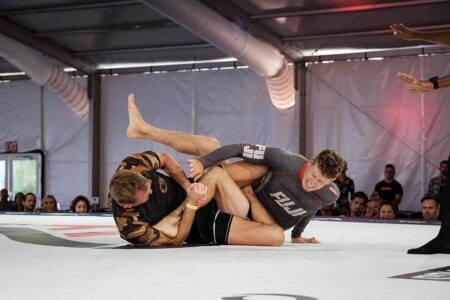


As the dust settles on UFC Belgrade, attention now turns to the fighters who came up short on the night. While victories often dominate headlines, the setbacks experienced by some athletes here reveal as much about their trajectories and potential comebacks as the wins do. This review examines the key losses from UFC Belgrade, exploring what lies ahead for those seeking redemption and resurgence in the highly competitive landscape of mixed martial arts.
Implications of UFC Belgrade Losses on Fighter Trajectories
Losses at UFC Belgrade have often marked pivotal moments in the careers of fighters, compelling them to reassess strategies, training camps, and career outlooks. For many, a defeat in such a high-profile event translates into a critical juncture – an opportunity to either rebound stronger or face a potential decline in rankings and fan support. Fighters coming off losses often find themselves grappling with increased pressure to perform in subsequent bouts, while promoters might reconsider their future matchmaking, weighing factors such as marketability, fighting style, and recent form.
Several patterns emerge when analyzing trajectories post-UFC Belgrade setbacks:
- Weight class shifts to rediscover competitive edges.
- Changes in coaching teams seeking fresh tactics and mental resilience.
- Shorter turnaround times aiming for immediate redemption.
- Matchmaking cautiousness with lower-tier opponents to stabilize records.
| Fighter | Loss Method | Next Strategy | Projected Timeline |
|---|---|---|---|
| Marko Petrović | TKO | Drop to Lightweight | 6 months |
| Sofia Ivanova | Decision | New Coach | 4 months |
| David Novak | Submission | Immediate Fight | 3 months |
| Anne Keller | Decision | Strategic Opponent Selection | 8 months |
Strategic Recommendations for Bounce Back and Career Revival
After setbacks at UFC Belgrade, fighters must adopt a multi-faceted approach to reignite their careers and regain momentum. Embracing a period of rigorous self-assessment combined with targeted skill enhancement can provide the edge needed to return stronger. Focused improvements in areas such as striking precision, defensive tactics, and cardio conditioning are essential. Beyond physical training, mental resilience plays a key role; athletes should engage with sports psychologists to rebuild confidence and develop coping strategies for high-pressure scenarios.
- Analyze Fight Footage: Identify technical gaps and recurring mistakes to shape future training.
- Cross-Disciplinary Training: Incorporate elements from wrestling, jiu-jitsu, and Muay Thai to diversify skill sets.
- Strategic Fight Selection: Collaborate with management to choose opponents that align with strengths and facilitate career progression.
- Rebuilding with Regional Promotions: Gain momentum with solid wins in local circuits to attract UFC’s renewed interest.
| Key Area | Recommended Focus | Short-Term Goal |
|---|---|---|
| Technical Skill | Enhance grappling defense | Improve takedown defense success rate by 20% |
| Cardio | Increase stamina with HIIT | Maintain pace throughout 3 rounds |
| Mindset | Develop resilience via mental coaching | Build confidence for high-pressure fights |
Final Thoughts
As the dust settles on UFC Belgrade, the road ahead is uncertain for several fighters who came up short in the Octagon. While defeat serves as a setback, it also presents an opportunity for reassessment and growth. Fans and analysts alike will be watching closely to see how these athletes respond-whether through strategic adjustments, changes in training camps, or a renewed determination to climb the ranks. One thing remains clear: in the world of mixed martial arts, today’s losses often lay the groundwork for tomorrow’s comebacks.